Services
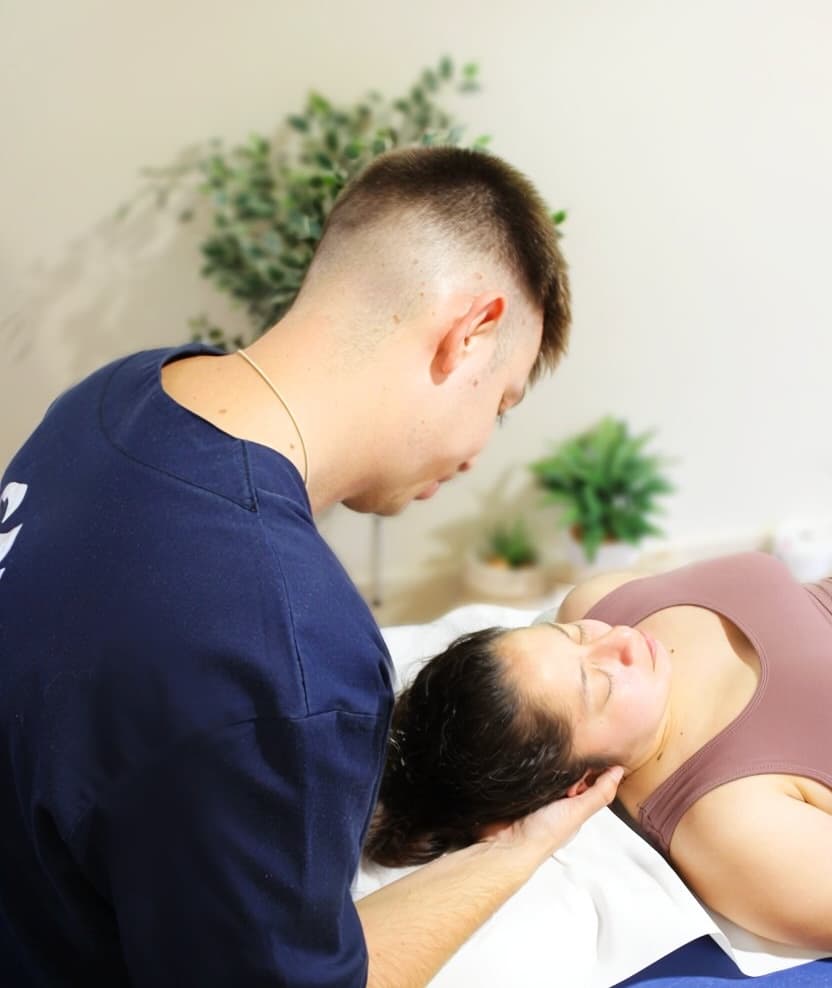
Osteopathy
Osteopathy is a manual therapeutic discipline that aims to restore the body's balance and function, promoting its natural self-healing processes. Through a personalised approach, the osteopath assesses and treats musculoskeletal, joint and postural dysfunctions, helping to relieve pain and tension and improve the person's overall well-being. Taking care of your body means investing in your health and quality of life.
When is it useful?
Osteopathy can be supportive in many conditions, including: cervical and lumbar pain, back pain and sciatica, muscle tension and contractures, postural disorders, headaches and migraines, joint pain, temporomandibular joint (TMJ) disorders, sports trauma and injury aftereffects, pregnancy and postpartum-related pain, functional digestive disorders, stress and psychophysical tension, reduced mobility and joint stiffness.

Osteopathy
Osteopathy is a manual therapeutic discipline that aims to restore the body's balance and function, promoting its natural self-healing processes. Through a personalised approach, the osteopath assesses and treats musculoskeletal, joint and postural dysfunctions, helping to relieve pain and tension and improve the person's overall well-being. Taking care of your body means investing in your health and quality of life.
When is it useful?
Osteopathy can be supportive in many conditions, including: cervical and lumbar pain, back pain and sciatica, muscle tension and contractures, postural disorders, headaches and migraines, joint pain, temporomandibular joint (TMJ) disorders, sports trauma and injury aftereffects, pregnancy and postpartum-related pain, functional digestive disorders, stress and psychophysical tension, reduced mobility and joint stiffness.
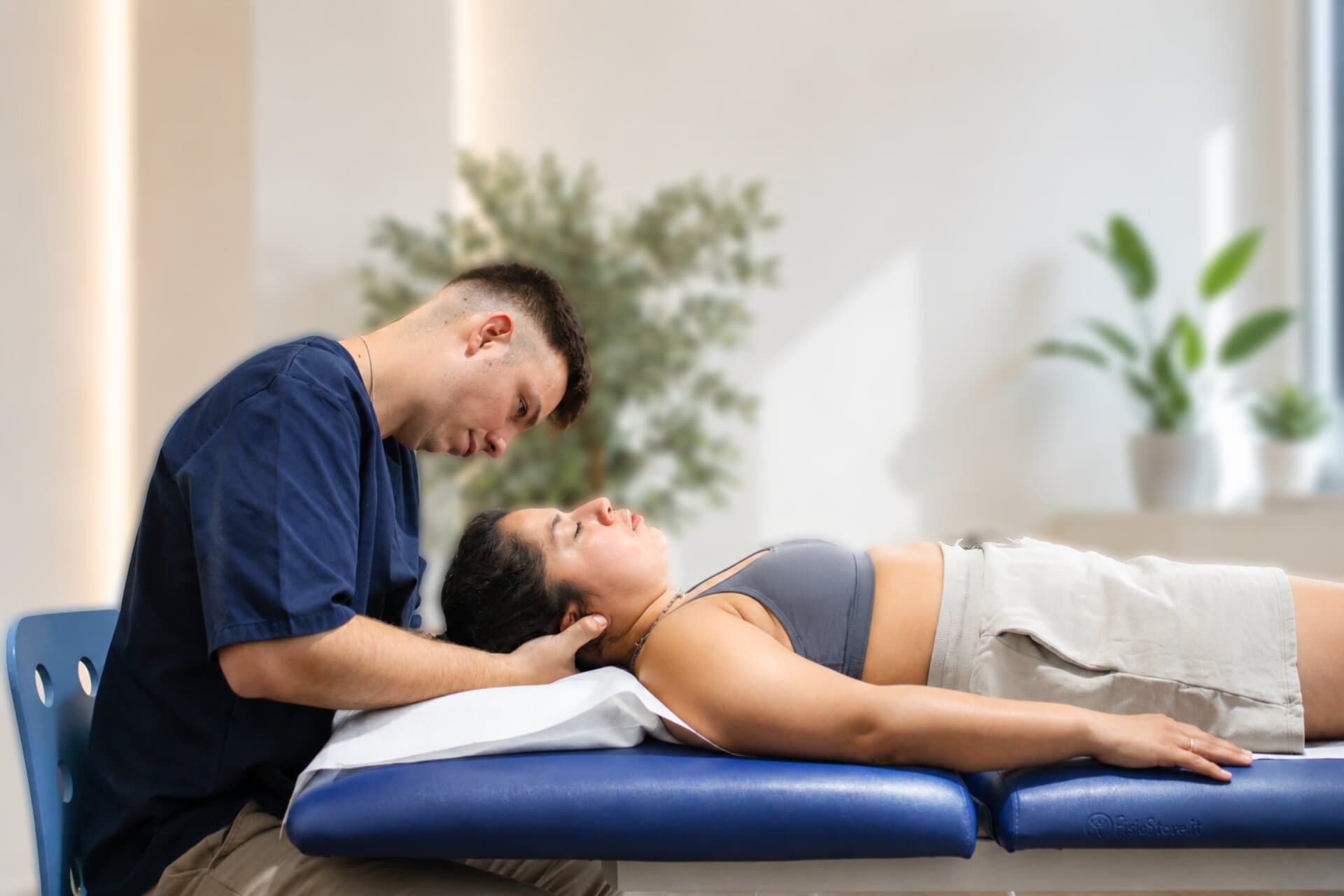
Applied Kinesiology
Applied kinesiology uses muscle testing as a functional assessment tool to analyse how the body responds to various stimuli. Integrated with osteopathic practice, it allows useful information to be gathered for personalising the treatment pathway and improving the person's overall balance.
When is it useful?
It is useful in the presence of musculoskeletal disorders, postural tension, movement limitations, fatigue and situations where it is necessary to explore the relationship between structure, movement and the body's function. The goal is to support the body in recovering better functional efficiency and to promote the maintenance of well-being over time.
Applied Kinesiology
Applied kinesiology uses muscle testing as a functional assessment tool to analyse how the body responds to various stimuli. Integrated with osteopathic practice, it allows useful information to be gathered for personalising the treatment pathway and improving the person's overall balance.
When is it useful?
It is useful in the presence of musculoskeletal disorders, postural tension, movement limitations, fatigue and situations where it is necessary to explore the relationship between structure, movement and the body's function. The goal is to support the body in recovering better functional efficiency and to promote the maintenance of well-being over time.
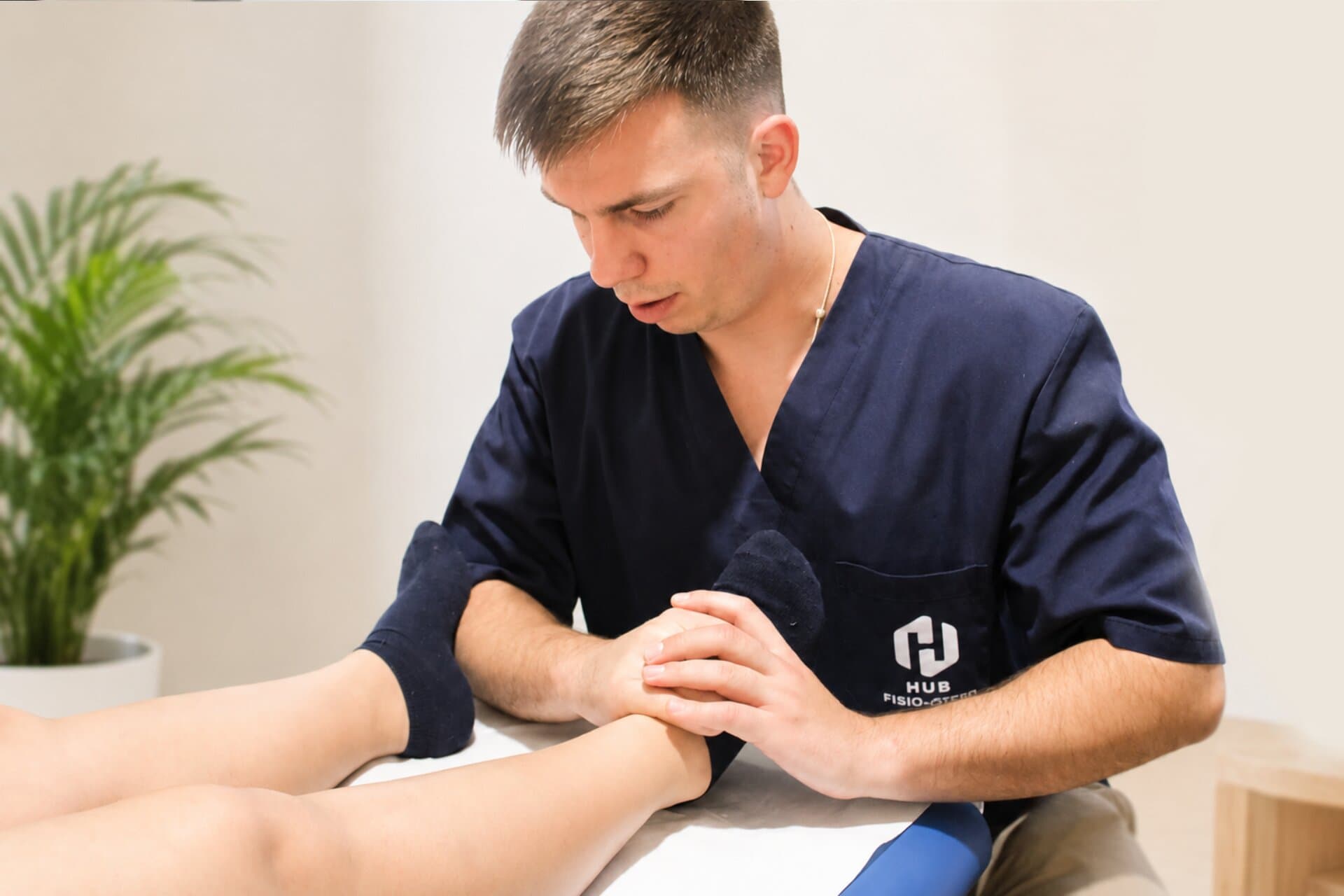
Sports Massage
Sports massage is a specific technique aimed at those who engage in physical activity, both at amateur and competitive level. Its aim is to prepare muscles for exertion, promote recovery after activity and help prevent tension and muscular overload.
When is it useful?
Pre-competition: through dynamic and stimulating manoeuvres, it helps prepare muscles and joints for physical activity, promoting circulation, neuromuscular activation and mobility, with the aim of optimising performance. Post-competition: after exertion, the treatment focuses on muscular recovery, helping to reduce tension, fatigue and stiffness. It promotes tissue relaxation, fluid drainage and a faster return to a state of physical balance.
Sports Massage
Sports massage is a specific technique aimed at those who engage in physical activity, both at amateur and competitive level. Its aim is to prepare muscles for exertion, promote recovery after activity and help prevent tension and muscular overload.
When is it useful?
Pre-competition: through dynamic and stimulating manoeuvres, it helps prepare muscles and joints for physical activity, promoting circulation, neuromuscular activation and mobility, with the aim of optimising performance. Post-competition: after exertion, the treatment focuses on muscular recovery, helping to reduce tension, fatigue and stiffness. It promotes tissue relaxation, fluid drainage and a faster return to a state of physical balance.
Massage Therapy
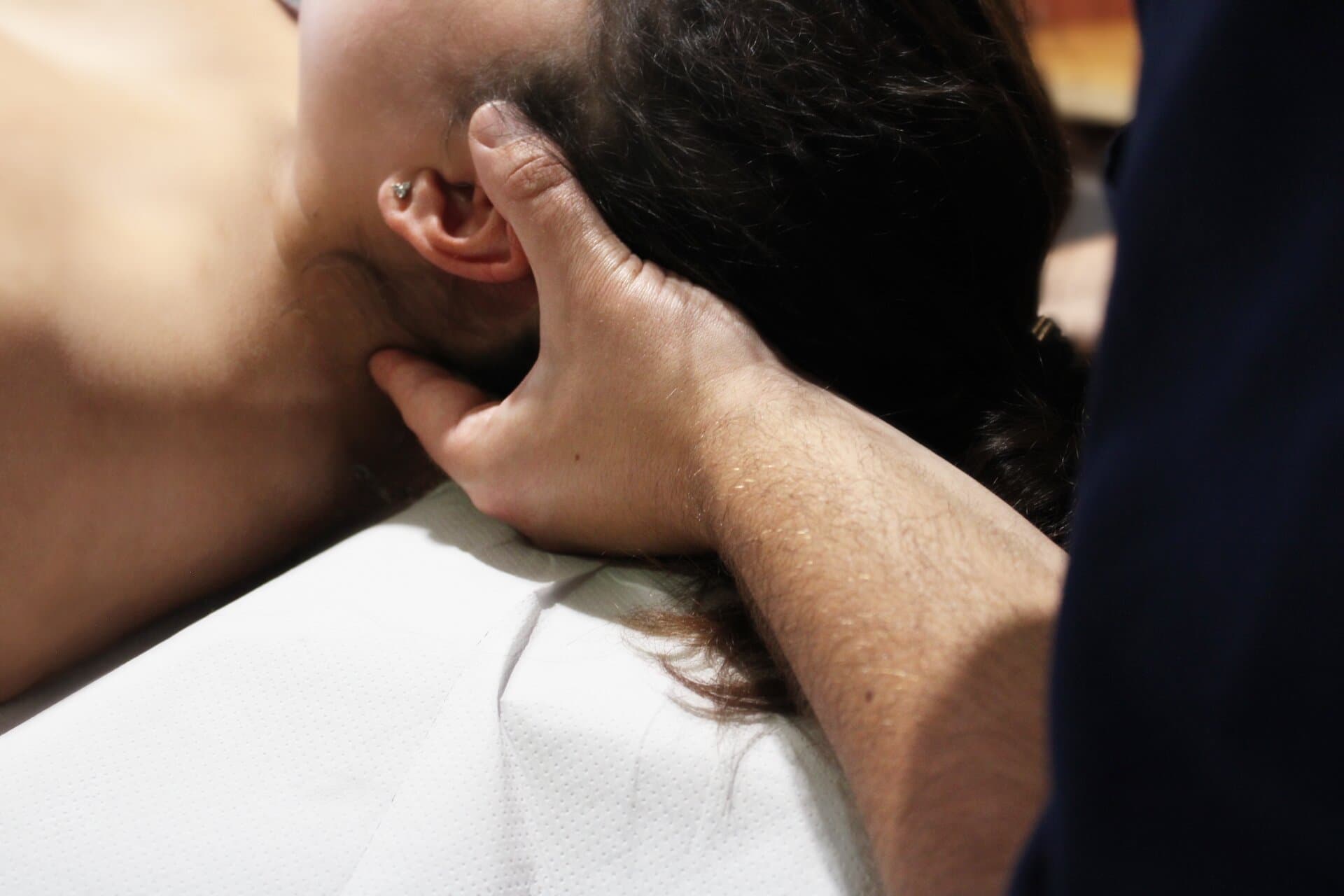
Massage therapy is a manual technique aimed at treating muscular and connective tissue, useful for reducing tension, relieving pain and promoting the functional recovery of the body. Through specific and personalised manoeuvres, it helps improve circulation, joint mobility and overall well-being, providing valuable support both in a preventive context and in recovery from fatigue and musculoskeletal issues.
When is it useful?
It is indicated in cases of muscle contractures, joint stiffness, tension related to poor posture, physical fatigue, stress or overload due to work and sports activities. It is also used as support in functional recovery pathways, helping to improve local circulation and promote muscle relaxation.
Massage Therapy
Massage therapy is a manual technique aimed at treating muscular and connective tissue, useful for reducing tension, relieving pain and promoting the functional recovery of the body. Through specific and personalised manoeuvres, it helps improve circulation, joint mobility and overall well-being, providing valuable support both in a preventive context and in recovery from fatigue and musculoskeletal issues.
When is it useful?
It is indicated in cases of muscle contractures, joint stiffness, tension related to poor posture, physical fatigue, stress or overload due to work and sports activities. It is also used as support in functional recovery pathways, helping to improve local circulation and promote muscle relaxation.
Pancafit Raggi Method
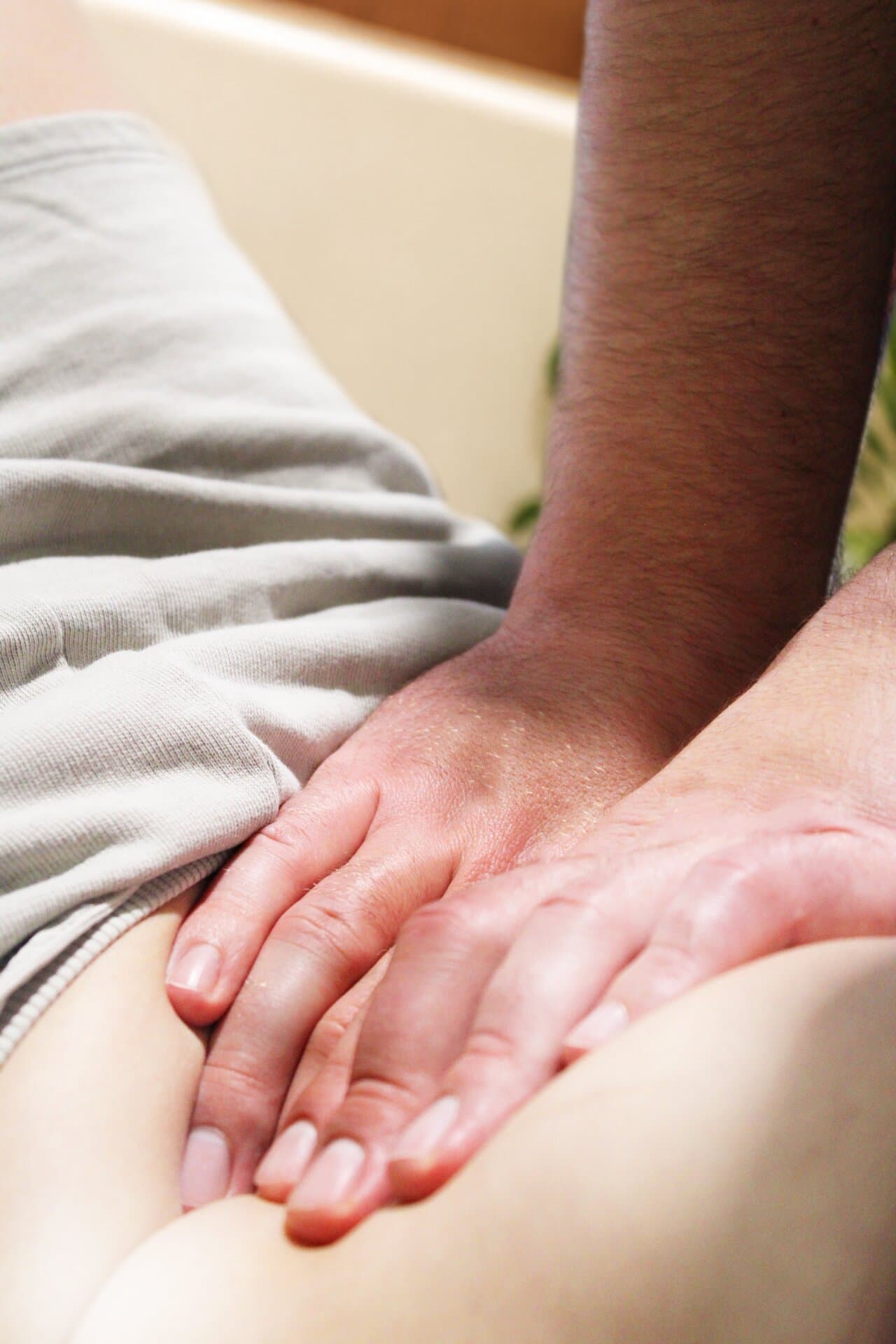
Pancafit is a tool used for global postural rebalancing through specific muscle stretching positions. Through guided exercises and postures, the treatment promotes the release of muscular tension, improvement of joint mobility and greater awareness of one's postural pattern.
When is it useful?
It may be indicated in the presence of cervical and lumbar pain, recurring muscle tension, postural alterations, joint stiffness and movement limitations. It is also used as support in functional recovery pathways and to improve postural balance in daily and sports activities.
Pancafit Raggi Method
Pancafit is a tool used for global postural rebalancing through specific muscle stretching positions. Through guided exercises and postures, the treatment promotes the release of muscular tension, improvement of joint mobility and greater awareness of one's postural pattern.
When is it useful?
It may be indicated in the presence of cervical and lumbar pain, recurring muscle tension, postural alterations, joint stiffness and movement limitations. It is also used as support in functional recovery pathways and to improve postural balance in daily and sports activities.
Aquatic Osteopathy
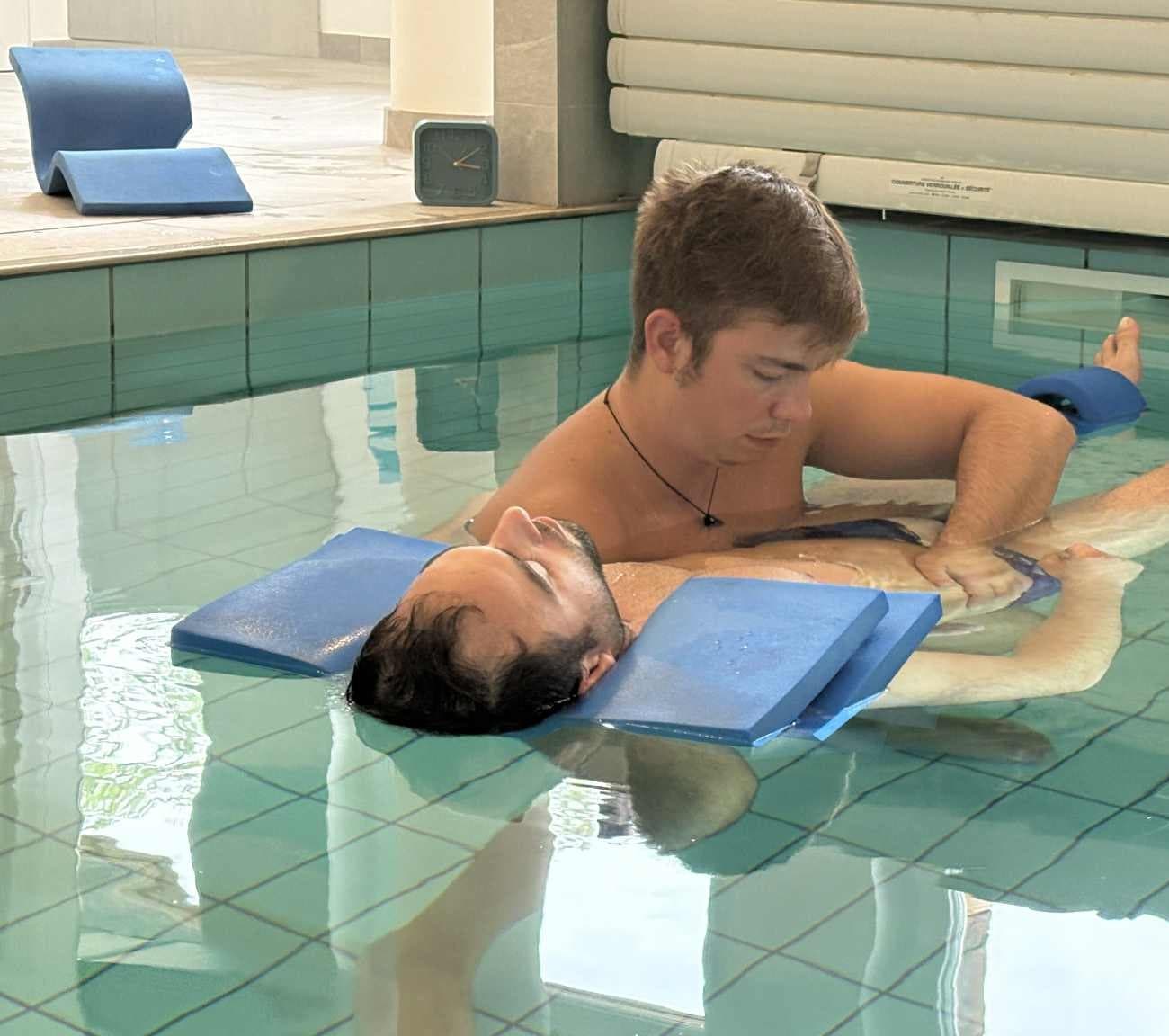
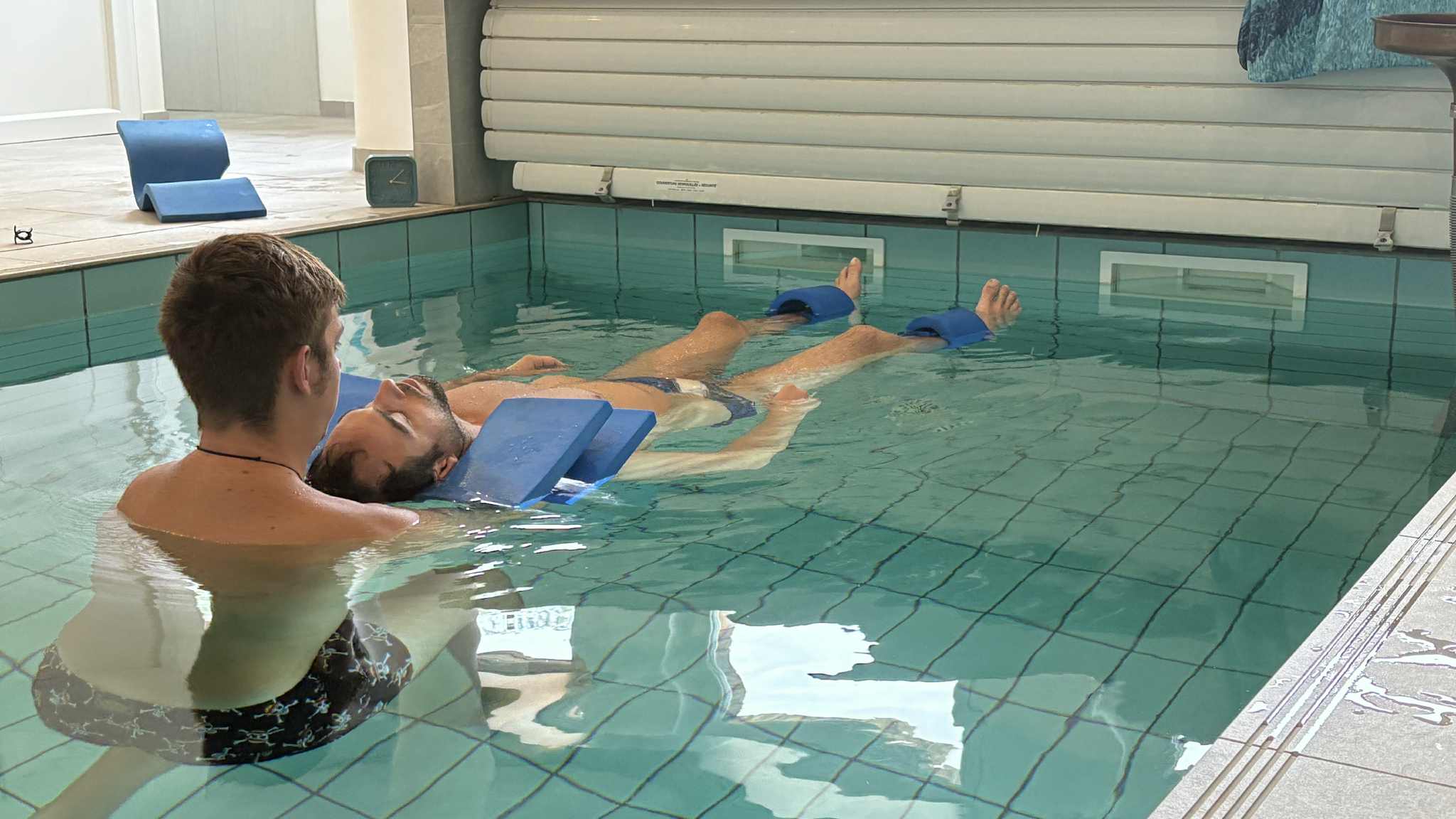
Aquatic osteopathy is a branch of osteopathy that uses water as a therapeutic environment for treating various physical dysfunctions. This discipline harnesses water's unique properties, such as its ability to reduce body weight and provide resistance, to facilitate gentle, controlled movements, improving the patient's mobility and well-being.
Therapeutic environment
Water offers natural support, allowing patients to perform movements that might be difficult or painful on dry land. This is particularly helpful for people with physical limitations or chronic pain, such as fibromyalgia or multiple sclerosis.
Techniques used
Techniques may include gentle manipulations, stretching and assisted movements, tailored to the patient's individual needs. The goal is to release myofascial tension and improve overall circulation.
Benefits
The benefits of aquatic osteopathy include:
- Reduction of pain, especially chronic pain
- Improved flexibility
- Support for post-injury rehabilitation
In addition, the aquatic environment can have positive effects on mental well-being, helping to reduce stress and anxiety.
Key differences from traditional osteopathy
- Environment: aquatic osteopathy takes place in warm-water pools (35°), which promotes relaxation and reduces the body's perceived gravity. This allows patients to move more freely without the weight of their body, unlike traditional techniques, which take place on a treatment table.
- Use of water: water acts as a support for the body, allowing floats to be used to sustain different parts of the body. This approach reduces muscle tension and promotes deep relaxation, making treatments possible that could be too painful in another setting.
- Therapeutic focus: while traditional osteopathy focuses on the direct manipulation of joints and tissues, aquatic osteopathy harnesses water's unique properties to address musculoskeletal, neurological and stress-related issues.
In short, aquatic osteopathy represents an evolution of traditional osteopathic practice, combining manual techniques with the aquatic environment to improve therapeutic effectiveness and patient comfort.
Aquatic Osteopathy
Aquatic osteopathy is a branch of osteopathy that uses water as a therapeutic environment for treating various physical dysfunctions. This discipline harnesses water's unique properties, such as its ability to reduce body weight and provide resistance, to facilitate gentle, controlled movements, improving the patient's mobility and well-being.
Therapeutic environment
Water offers natural support, allowing patients to perform movements that might be difficult or painful on dry land. This is particularly helpful for people with physical limitations or chronic pain, such as fibromyalgia or multiple sclerosis.
Techniques used
Techniques may include gentle manipulations, stretching and assisted movements, tailored to the patient's individual needs. The goal is to release myofascial tension and improve overall circulation.
Benefits
The benefits of aquatic osteopathy include:
- Reduction of pain, especially chronic pain
- Improved flexibility
- Support for post-injury rehabilitation
In addition, the aquatic environment can have positive effects on mental well-being, helping to reduce stress and anxiety.
Key differences from traditional osteopathy
- Environment: aquatic osteopathy takes place in warm-water pools (35°), which promotes relaxation and reduces the body's perceived gravity. This allows patients to move more freely without the weight of their body, unlike traditional techniques, which take place on a treatment table.
- Use of water: water acts as a support for the body, allowing floats to be used to sustain different parts of the body. This approach reduces muscle tension and promotes deep relaxation, making treatments possible that could be too painful in another setting.
- Therapeutic focus: while traditional osteopathy focuses on the direct manipulation of joints and tissues, aquatic osteopathy harnesses water's unique properties to address musculoskeletal, neurological and stress-related issues.
In short, aquatic osteopathy represents an evolution of traditional osteopathic practice, combining manual techniques with the aquatic environment to improve therapeutic effectiveness and patient comfort.